When England’s Racism Crosses the Border: Why I’m Tired of Wales Being Erased
I’ll be honest: I’m angry. Watching a racist movement in England creep over the border into Wales, feels like history repeating itself. And as a Welsh citizen, it’s not just distasteful — it’s exhausting. Because England hasn’t just “influenced” Wales. It has suppressed, erased, and rewritten our culture for centuries.
Flooding our villages to supply English cities with water.
Banning our language from schools and courts.
Segregating churches into “Welsh” and “English.”
Even taking credit for our inventions — rebranding them as “British history.”
It might sound dramatic, but if you grew up Welsh, you’ll know: this isn’t ancient history. It’s lived memory. And now, as I see a toxic movement bubbling up in England and seeping across into Wales, I feel that old imbalance being replayed.
A Pattern of Suppression
The story of Wales under England has always been one of being silenced. Take the “Welsh Not” — a wooden token given to schoolchildren in the 19th and early 20th centuries as punishment for speaking their mother tongue. Speak Welsh in class? Wear the token. End the day with it? Get caned.
Or look at Tryweryn in 1965. A whole Welsh village — Capel Celyn — drowned so Liverpool could have water. The people said no. Wales said no. But Westminster said yes, and that was all that mattered. The graffiti that still reads “Cofiwch Dryweryn” (“Remember Tryweryn”) is more than a slogan — it’s a wound we refuse to let heal over in silence.
And even when it’s not direct destruction, there’s erasure. Welsh achievements — like Robert Recorde inventing the humble “=” sign — quietly get folded into “British” history. The contribution is remembered, but the identity behind it is scrubbed away.
Language as Resistance
For centuries, the Welsh language was treated as second-class. It was banned from courts, mocked in public life, and beaten out of children in schools. Yet somehow, it survived. Today, hearing Welsh on road signs, TV, and in schools is a reminder that culture can’t just be legislated out of existence.
But every time England’s political or cultural movements wash into Wales, I feel that same pressure to conform, to swallow my identity into something more palatable — something “British.”
Why This Still Matters
Here’s the thing: this isn’t just history. It’s happening again — right now.
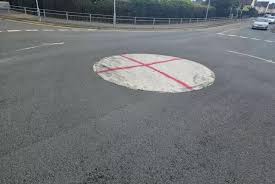
In England, there’s been a new “movement” where people plaster the English flag everywhere: graffiti, stickers, even painting it on buildings. They call it “expressing culture.” But when that spills across the border into Wales, it’s not culture. It’s racism.
Think about it: if you were really expressing English culture, why would you need to bring it into another country? That’s not self-expression — that’s imposition. It doesn’t celebrate England. It highlights, once again, that Wales is still treated like a backdrop for English identity, a place to mark and occupy.
And when you add this to the centuries of suppression Wales has endured, the message is loud and clear: the erasure isn’t over. It’s just taken on new colours of paint.
My Call as a Welsh Citizen
I don’t want pity. I don’t want token gestures. I want recognition. Respect. A space where Welsh identity isn’t something to be erased, appropriated, or overwritten.
We don’t need to erase Britishness to celebrate Welshness. But we do need to stop being comfortable with cultural erasure. Speak Welsh. Teach our history. Remember Tryweryn. Challenge movements that bring hate across the border and try to plant it in our soil.
Because if there’s one thing Welsh history has taught me, it’s this: silence is not survival.
Final Thought
This isn’t just about the past. It’s about how we choose to live now. And if we don’t speak up, England will keep writing the story for us — and stamping our name out of the footnotes.
As for me? I refuse to let that happen quietly.
 The Red Thread
Leave a comment